
Introduction
Dive into the world of seamless streaming by connecting your laptop to a TV. Whether you wish to enjoy movies, display presentations, or simply mirror your laptop screen, understanding how to stream from a laptop to a TV is a valuable skill. This guide will navigate you through various methods, both wired and wireless, to help you choose the one that best fits your devices and preferences.
Check Your Device Compatibility
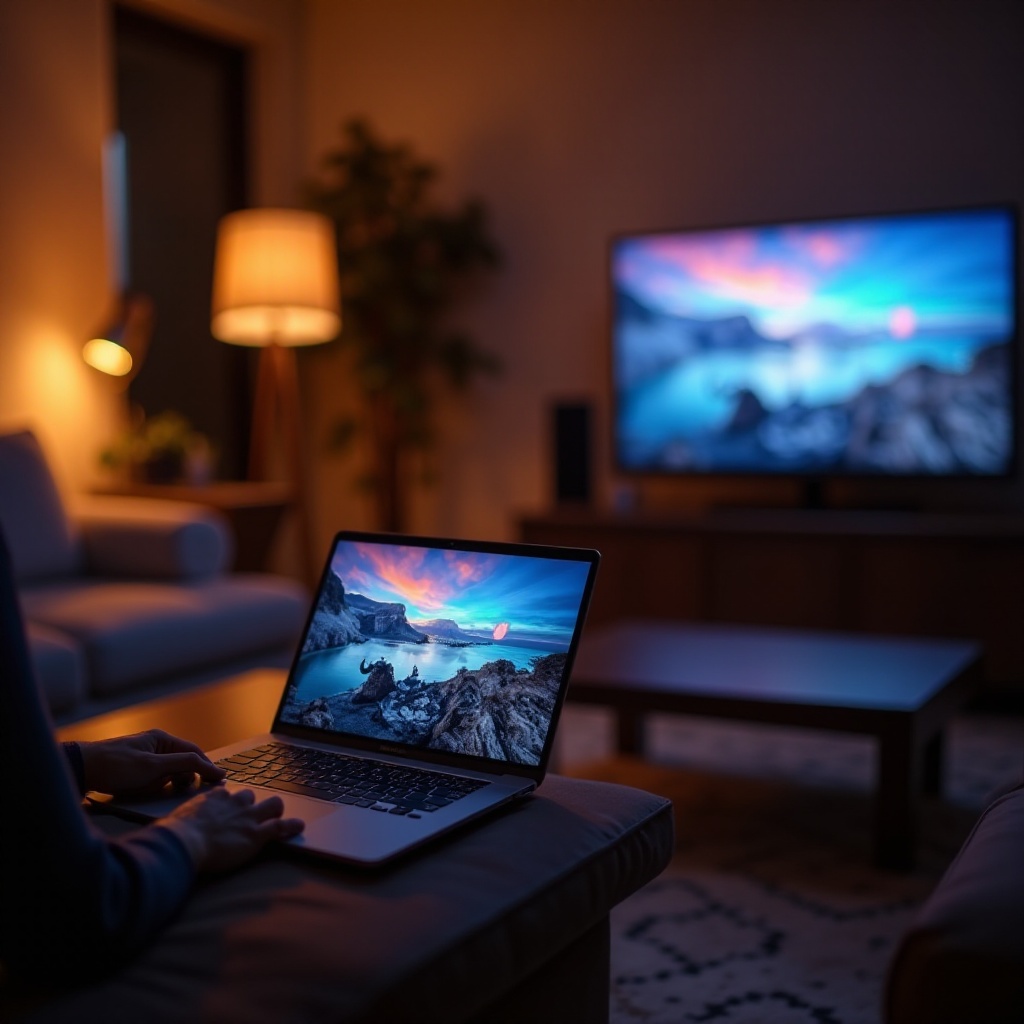
Before commencing, it is crucial to ensure your laptop and TV can connect. Begin by examining your device specifications for compatibility.
Laptop and TV Specifications
Ensure your laptop is equipped with an available HDMI port or a USB-C with display capabilities. Similarly, confirm that your TV includes an HDMI input. If not, newer laptops and TVs might support wireless solutions.
Operating System Requirements
Update your laptop’s operating system to the latest version for compatibility, especially for wireless methods like AirPlay or Miracast. This update is fundamental for a smooth connection and optimal performance.
With your devices prepared, let us explore the available streaming methods.
Wired Streaming Methods
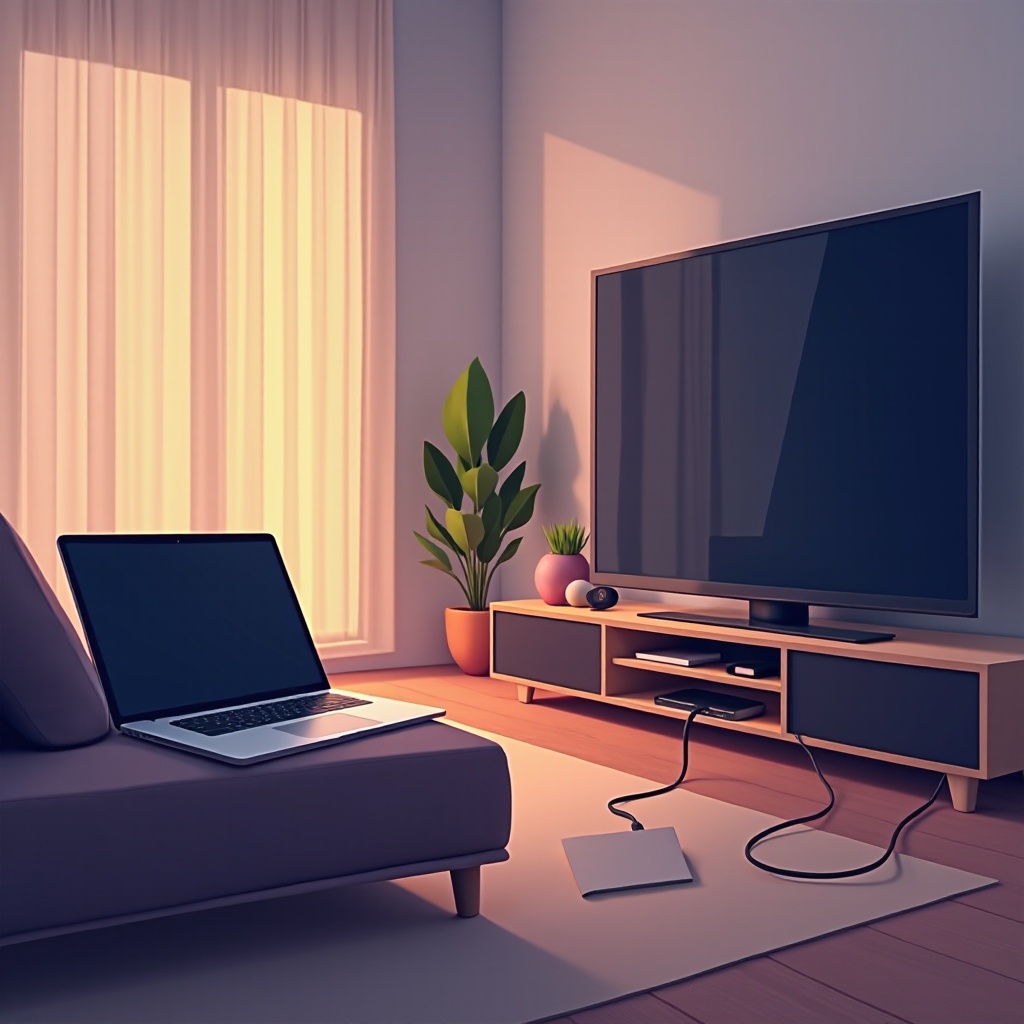
Using wired connections offers a stable and straightforward option for many users:
- HDMI Cables:
- Connect an HDMI cable from your laptop to your TV’s HDMI input.
-
Set your TV to the correct HDMI input channel. Your laptop should automatically detect the connection and adapt its display settings. Adjust the resolution for optimal experience through your laptop’s display settings.
-
USB-C to HDMI Adapters:
- Many modern laptops feature USB-C ports. Use a USB-C to HDMI adapter to link your laptop to the TV, similar to a standard HDMI cable.
-
Ensure your adapter supports video output, as not all USB-C ports offer this feature.
-
Alternative Wired Connections:
- For laptops lacking HDMI or USB-C, consider Mini DisplayPort to HDMI adapters. For very old TVs, VGA might be an alternative, although it does not carry audio.
After connecting, wired methods provide a hassle-free approach to sharing content, independent of network quality, offering reliability for high-definition streaming.
Wireless Streaming Options
If cables are not preferable, wireless streaming offers a modern and convenient solution:
- Chromecast Setup and Usage:
- With Chromecast, plug it into your TV and ensure it’s on the same Wi-Fi network as your laptop.
-
Use Google Chrome to cast your browser by clicking on the three-dot menu and selecting ‘Cast.’ Supported apps like Netflix have built-in cast buttons.
-
Apple AirPlay for Apple Devices:
- For MacBook or other Apple devices, use AirPlay. Click the AirPlay icon on your Mac’s menu bar to select your Apple TV or compatible smart TV.
-
Ensure both devices are updated for best results.
-
Miracast and Other Wireless Displays:
- Windows users can utilize Miracast. Check if your TV supports Miracast or consider a Miracast adapter. Go to Display Settings to connect to a wireless display.
Wireless options offer flexibility but rely on robust network strength. Weak signals can cause lag or quality loss.
Streaming Applications and Built-in Features
Several applications simplify laptop-to-TV streaming without extra hardware:
- Streaming Apps Overview:
-
Streaming platforms like Netflix and Amazon Prime Video provide simple content casting to compatible TVs. Look for a cast button when both devices are networked.
-
Utilizing Smart TV Features:
- New Smart TVs often enable direct app downloads, bypassing the laptop entirely. Open the app on your Smart TV, log in, and enjoy.
Incorporating apps and TV features streamlines viewing, enhancing performance as they are designed to function optimally within their ecosystems.
Troubleshooting Common Streaming Issues
Resolve common problems encountered during streaming:
- Connectivity Challenges:
- Ensure devices are networked and restart if needed. For wired connections, recheck all cable connections, trying different ports if available.
-
Often, rebooting solves persistent connection issues.
-
Audio and Visual Sync Issues:
- If there is audio-video delay, adjust audio settings on the TV or app. For HDMI connections, ensure no cable damage and it matches media resolution.
Addressing these issues enhances streaming quality, making the viewing experience enjoyable.
Enhancing Your Streaming Experience
Once linked, optimize your media quality:
- Optimizing Picture Quality:
-
Adjust TV picture settings for best quality, aligning with media’s native resolution. Use picture modes like cinema for visual enhancement.
-
Improving Audio Performance:
- Consider soundbars or external speakers if TV audio is unsatisfactory. Most TVs allow audio setting tweaks based on content viewing.
These enhancements ensure full media immersion. Whether watching a movie or presenting slides, quality matters.

Conclusion
Streaming your laptop to your TV can transform your media experience. By understanding device compatibility and selecting the right method, you unlock seamless connectivity. Wired or wireless, each method offers distinct advantages to suit your needs.
Frequently Asked Questions
Can I stream from a non-Smart TV?
Absolutely! Use devices such as Chromecast or HDMI cables to connect a non-Smart TV to your laptop.
Do I need an internet connection to stream via HDMI?
No, HDMI cables provide a direct connection without the need for internet, allowing offline media playback.
How can I stream from my laptop to an older TV model?
For older TVs, consider using composite cables with converters or VGA ports for video, along with separate audio connections.