
Introduction
Setting up a turntable and speaker system can transform your home into an audiophile’s paradise. Whether you’re a vinyl veteran or just starting your collection, knowing how to configure your turntable and speakers properly is crucial. This guide will help you choose the right equipment, set it up effectively, and optimize your listening experience. Embark on a journey to immerse yourself in the rich, authentic sound that only vinyl can deliver.
Choosing the Right Equipment
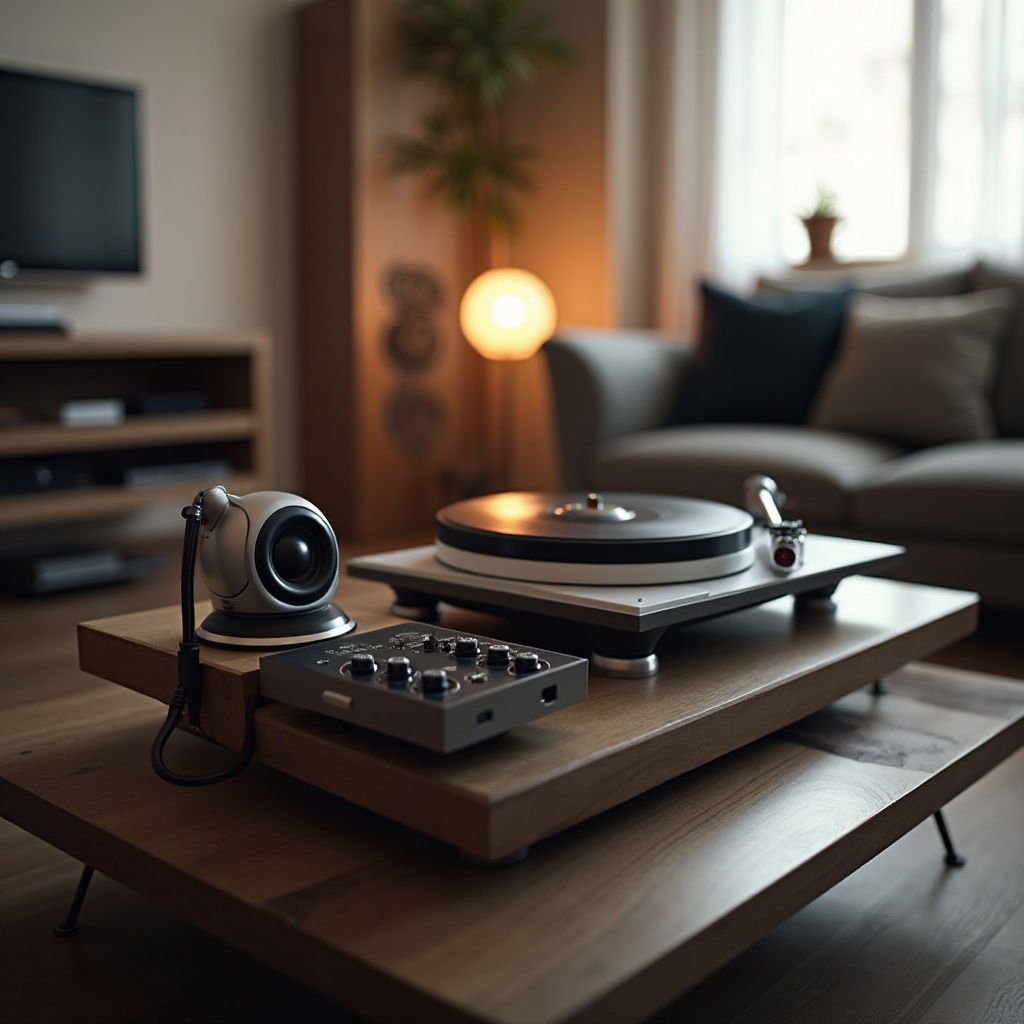
Choosing the right equipment is foundational to any successful turntable and speaker system. A well-informed choice ensures compatibility and enhances audio experience.
- Turntable Types and Features: Turntables come in various types, including belt-drive and direct-drive models. Belt-drive turntables are preferred for their quieter operation, ideal for home listening. Direct-drive turntables offer quicker start-up times and are popular among DJs.
- Speaker Options: Passive vs. Active: Passive speakers require an external amplifier, offering flexibility in sound customization. Active speakers come with built-in amplifiers and provide a more streamlined setup process.
- The Role of Amplifiers and Pre-Amps: Amplifiers boost the audio signal delivered to your speakers. Pre-amplifiers, or pre-amps, are essential for turntables with low output, helping to amplify the signal to a level that your speakers can process effectively.
Having selected the right equipment, you’re now ready to move on to the physical setup of your turntable.
Step-by-Step Turntable Setup
With the necessary equipment in hand, let’s dive into the process of setting up your turntable.
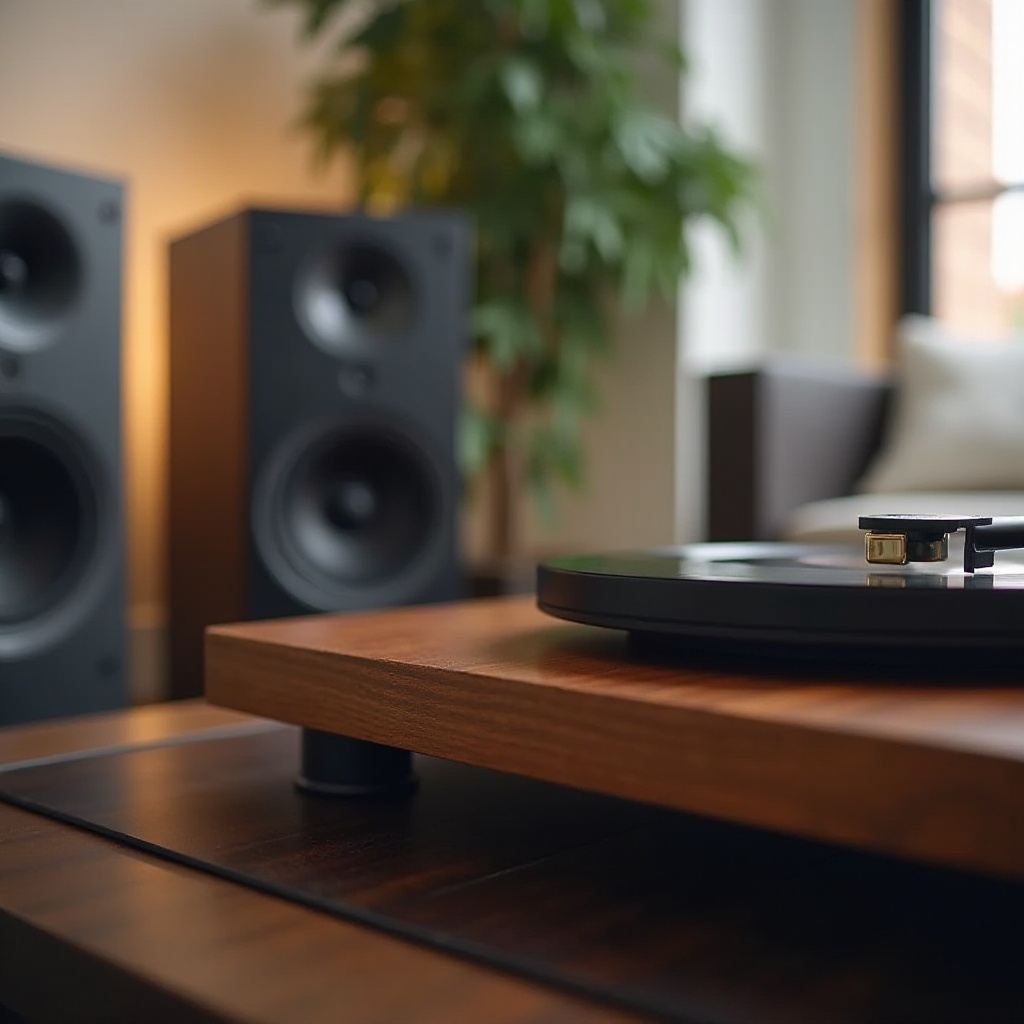
- Unboxing and Assembling Your Turntable: Carefully remove your turntable from its packaging and assemble it according to the manufacturer’s instructions. Ensure all components, like the platter and dust cover, are attached correctly.
- Balancing the Tonearm and Cartridge Alignment: Balance the tonearm to ensure it floats parallel to the platter when at rest. Align the cartridge carefully to avoid record groove damage and achieve optimal sound quality.
- Configuring Tracking Force and Anti-Skate: Adjust the tracking force to the cartridge manufacturer’s specifications. Anti-skate settings should match the tracking force to prevent the tonearm from skating across the record.
Setting up your turntable correctly sets the foundation for great sound quality. Once complete, it’s time to connect your speakers.
Connecting Your Speakers
How you connect your speakers greatly impacts sound quality. Understanding your options ensures a smooth audio experience.
- Wired vs. Wireless Connections: Wired connections often provide a more reliable signal and sound quality. Wireless setups offer greater flexibility for speaker placement but may introduce latency issues.
- Proper Cabling Techniques: Use high-quality cables for the best audio signal. Ensure cables are securely connected and free from damage, minimizing signal loss and ensuring superior sound quality.
- Troubleshooting Connection Issues: If you experience issues like humming or no sound, check your connections. Ensure all cables are properly seated and your turntable is connected to the correct inputs on your amplifier or receiver.
With your speakers connected, focus on optimizing their placement to achieve the best listening experience.
Optimizing Speaker Placement for Sound Quality
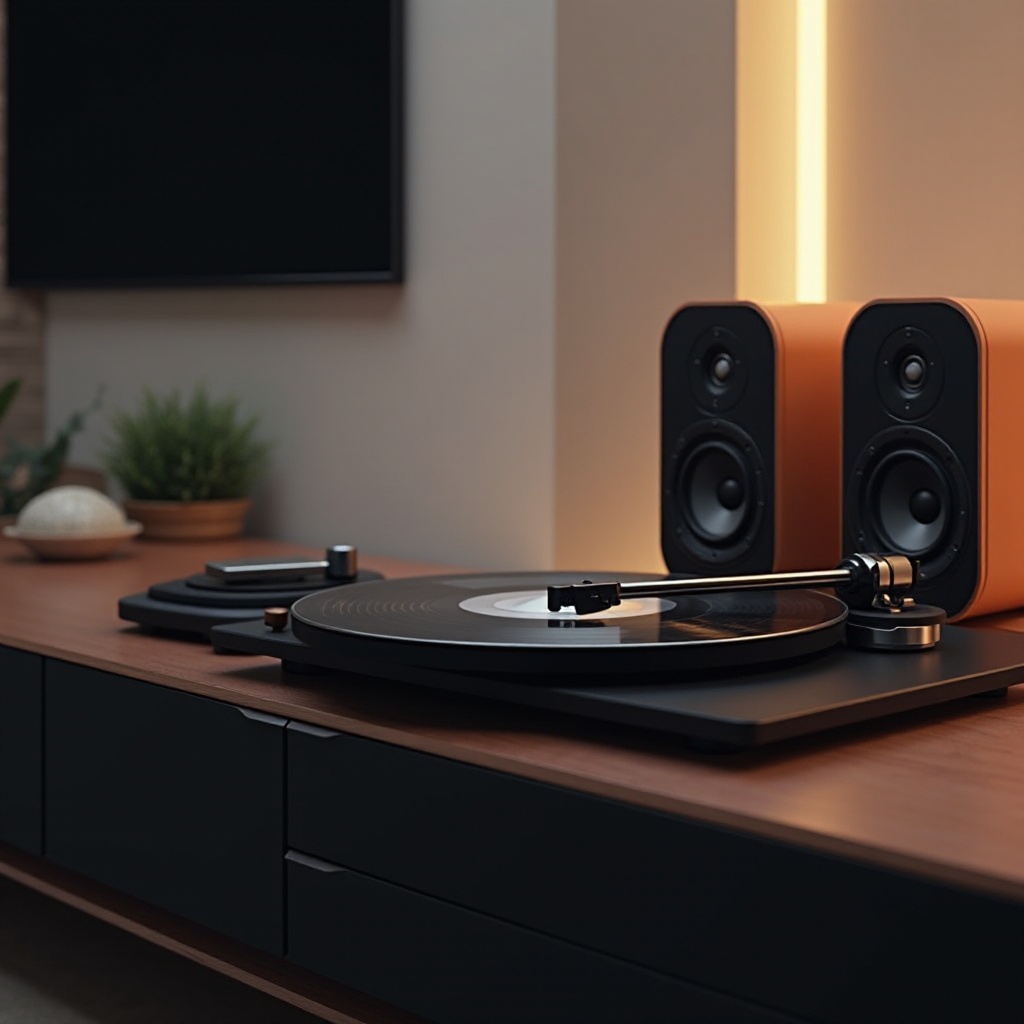
Proper speaker placement makes a significant difference in audio performance. Understanding your room’s acoustics helps optimize placement.
- Understanding Acoustic Dynamics: Consider the size and shape of your room. Sound waves behave differently depending on the environment, affecting how you should position your speakers.
- Positioning for Optimal Stereo Imaging: Place your speakers at ear level to the listener when seated. They should form an equilateral triangle with your listening position for the best stereo effect.
- Reducing Vibrations and Feedback: Use isolation pads or stands for your speakers to reduce vibrations. Ensure your turntable is on a stable surface to prevent unwanted feedback.
Position your speakers well, and you’re on the way to an outstanding audio experience. Next, let’s enhance sound quality further.
Enhancing Overall Sound Quality
To maximize your system’s potential, consider additional techniques to enhance sound quality.
- Acoustic Treatment Tips: Use soft furnishings, like curtains and rugs, to dampen sound reflections and enhance clarity. Consider acoustic panels for further treatment.
- Equalization and Tuning: Fine-tune your amplifier or receiver’s equalizer settings to balance frequencies, achieving a richer, fuller sound.
- Regular Maintenance Practices: Keep your turntable and records clean. Dust and debris can affect sound quality. Regular maintenance ensures your setup remains in top condition.
Conclusion
Congratulations on setting up your turntable and speaker system! By following these steps, you have ensured a high-quality listening experience that highlights the warmth and depth of vinyl records. Enjoy your journey into the world of vinyl, and let the music transport you to another era.
Frequently Asked Questions
How do I know if my speakers are compatible with my turntable?
Compatibility depends on whether your speakers require a pre-amp or amplifier and whether they match your amplifier’s output capability. Check your turntable and speaker manuals for specifications.
What should I do if there is too much feedback in my setup?
Reduce feedback by positioning speakers away from the turntable, using isolation platforms, and checking cable connections. Ensure your system components are properly grounded.
How often should I maintain my turntable equipment?
Regular maintenance is key. Dust your turntable weekly and deep clean it monthly. Inspect cables and connections regularly for signs of wear.