
Introduction
The SIM card is essential in connecting your iPhone to mobile networks, allowing you to make calls, send texts, and use data. Whether you need to change operators, travel internationally, or solve connection problems, removing and replacing your SIM card is a straightforward process. This guide provides detailed steps to help you remove your iPhone SIM card easily.
Tools Required for SIM Card Removal
Before you begin, assemble the necessary tools for SIM card removal to ensure the process is smooth and avoids device damage.
-
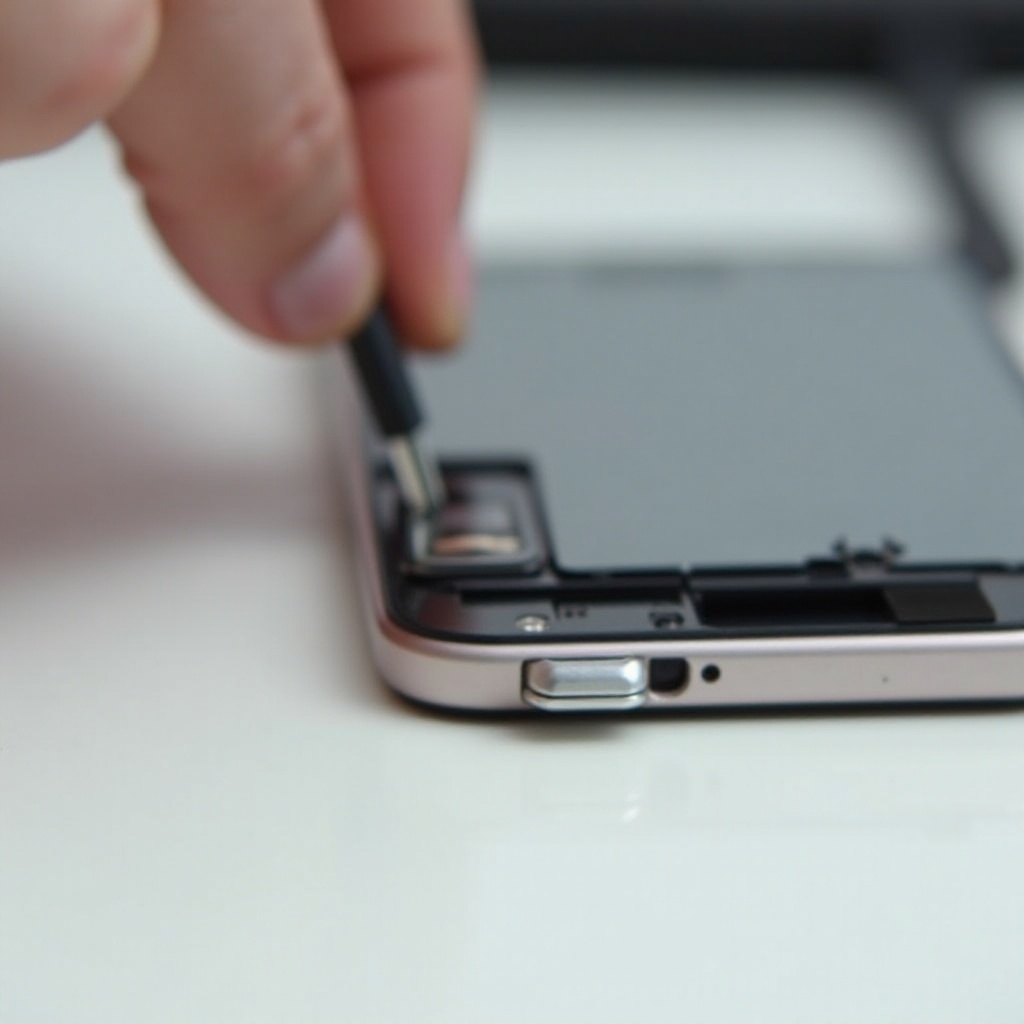
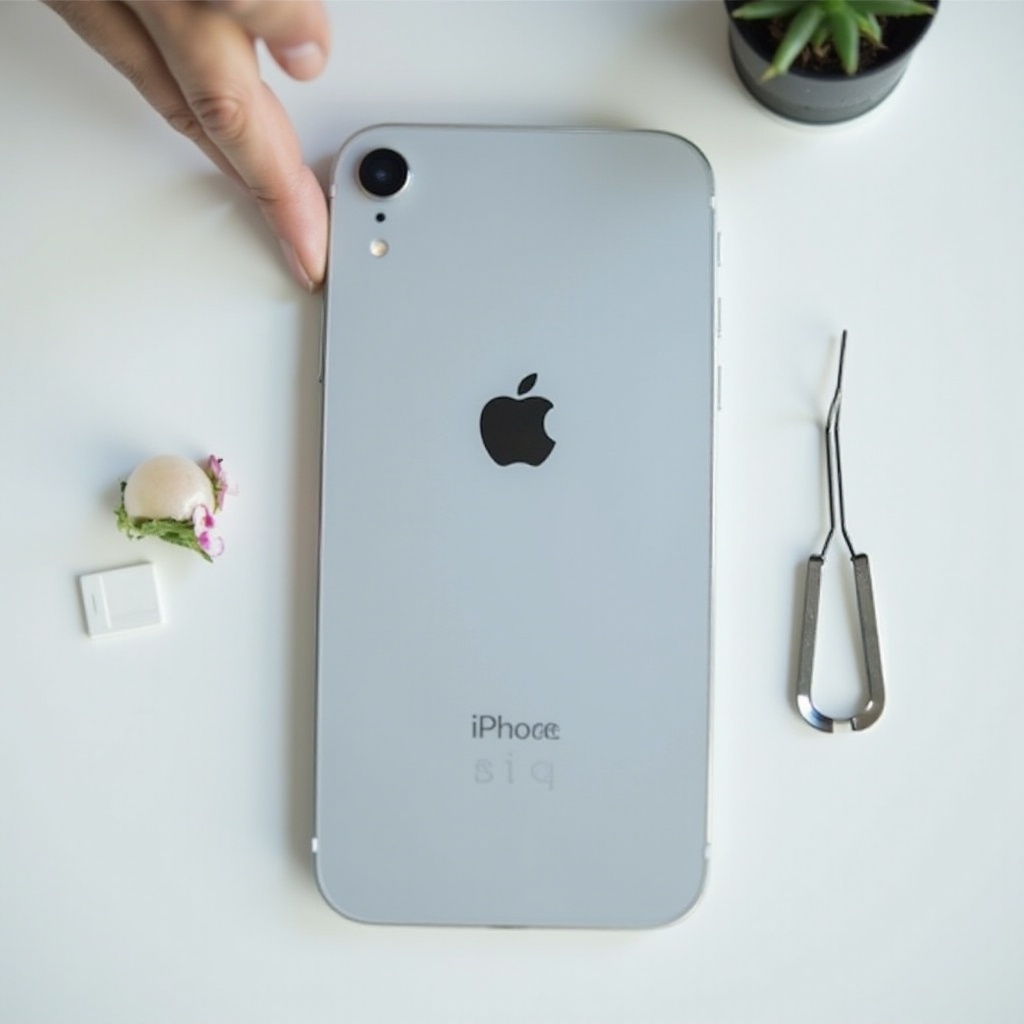
SIM Card Ejector Tool: This tool comes with your iPhone for convenient SIM tray removal. If it’s unavailable, consider alternative tools like a paperclip.
-
Alternative Tools: Use a paperclip or thin pin as a substitute if you lack the official ejector tool. These can effectively eject the SIM tray without harming your device.
With tools in hand, let’s prepare your iPhone for SIM card removal.
Preparing Your iPhone for SIM Card Removal
Proper preparation is key to a stress-free SIM card removal. Follow these steps:
-
Back Up Your Data: While removing the SIM doesn’t erase data, backing up safeguards against accidental damage or data loss.
-
Power Down Your iPhone: Switch off your iPhone to prevent electrical short circuits or SIM card damage. Hold the power button and slide to power off.
Once your iPhone is off and data backed up, locate the SIM tray.
Locating the SIM Tray on Different iPhone Models
The SIM tray’s position differs across iPhone models. Here’s how to find it:
-
iPhone 14 and Above: The SIM tray is typically on the right side. Look for a small hole beside the tray.
-
Older iPhone Models: In previous models, the SIM tray may be on the bottom edge or left side. Check your model’s layout.
After locating the SIM tray, proceed with removing the SIM card.
Step-by-Step Instructions to Remove the SIM Card
Follow these instructions to remove the SIM card safely:
-
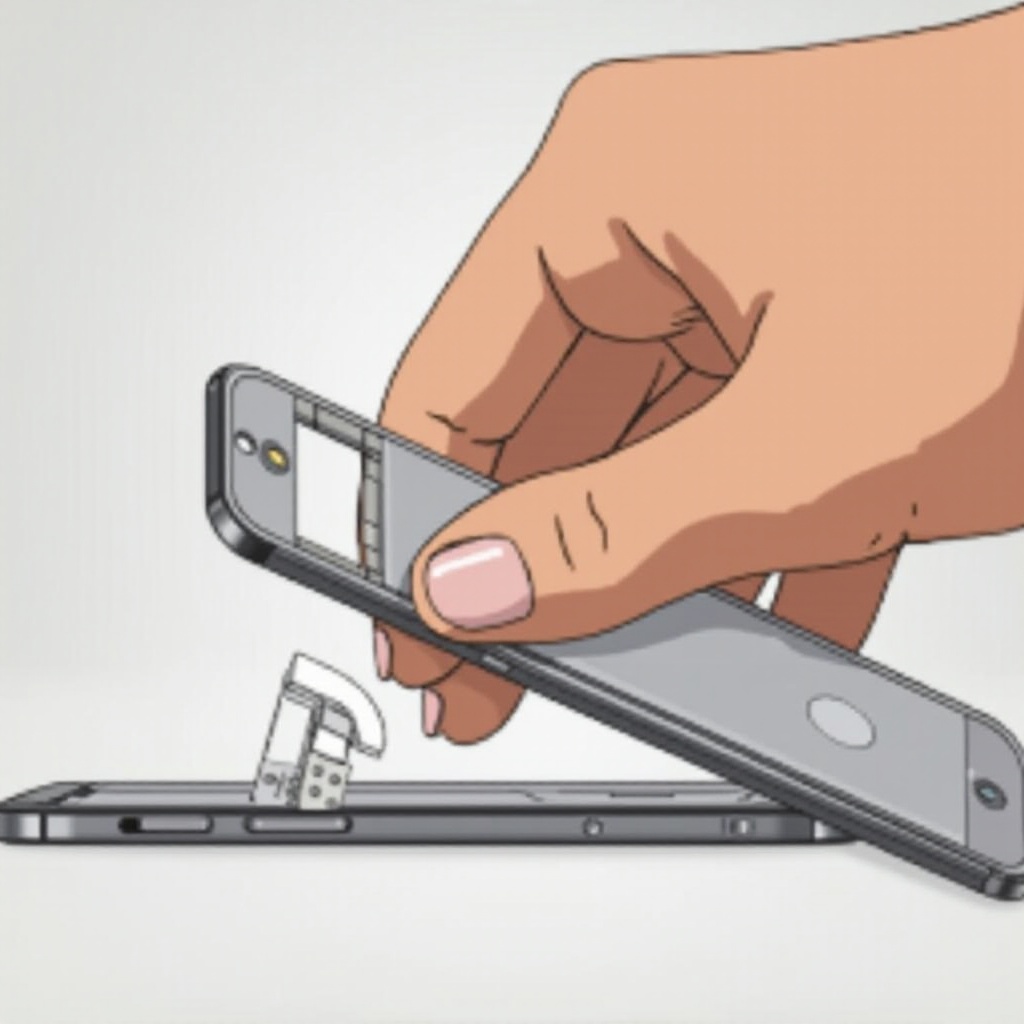
Eject the SIM Tray: Insert the SIM ejector tool or alternative into the tray’s small hole. Apply gentle pressure to pop the tray open.
-
Remove and Insert the SIM Card Correctly: Gently remove the SIM card from the tray. If replacing it, align the new SIM card with the tray, ensuring the notched corner fits the tray design.
Having removed or replaced your SIM card, address any potential issues.
Troubleshooting Common SIM Card Removal Issues
Remove any obstacles with these solutions:
-
SIM Tray Stuck: Avoid forcing the tray open if it jams. Use tools at a different angle or seek professional help if damage is suspected.
-
Addressing “No SIM” Errors: If the iPhone doesn’t recognize the SIM post-reinstallation, verify correct placement or adjust the fit. Restart the iPhone or consult your network provider for persistent issues.
Knowing how to handle and safeguard your SIM card is important for preventing future issues.
Best Practices for Handling SIM Cards Safely
Maintaining your SIM card’s condition prevents future complications. Here’s how:
-
Prevent Damage: Handle the card carefully to avoid bending or scratching. Store it in a dry, clean place when not inserted.
-
Limit Frequency of Removal: Continuously removing and reinserting SIM cards may cause wear, so limit unnecessary switching to prolong the SIM and tray’s lifespan.
Having discussed troubleshooting and best practices, here’s a brief conclusion.
Conclusion
Removing your iPhone SIM card is straightforward when equipped with the proper tools and information. Whether upgrading, traveling, or resolving network issues, following this guide ensures a smooth experience. Handle the SIM card attentively for optimal performance.
Frequently Asked Questions
Can removing my SIM card affect data on my iPhone?
Removing the SIM card does not affect your stored data, such as contacts and photos, since they’re saved on the device.
How often should I change my iPhone’s SIM card?
Change your SIM card as necessary, for travel or network upgrades. Limit changes to prevent wear on the SIM tray.
What should I do if I lose my SIM card ejector tool?
Use alternatives like a paperclip to safely eject the tray. If unavailable, purchase a replacement from electronics retailers.