
Introduction
Encountering an unresponsive bottom screen on your iPhone can be distressing. Whether it’s due to a software glitch or hardware trouble, addressing the issue promptly is crucial. This detailed guide explores the possible reasons behind the problem and offers solutions to fix your iPhone bottom screen, ensuring you regain full functionality.

Understanding iPhone Screen Issues
The iPhone’s screen is built to detect touch precisely, but various factors can interfere with its operation. It’s vital to identify whether your issue is software-related or if it’s a more extensive hardware complication. Knowing these differences will guide you in applying the correct solution and possibly avoiding unnecessary expenses.
If screen problems persist, transitioning from basic fixes to more advanced techniques becomes necessary. Here are some first-line fixes to consider before diving deeper.
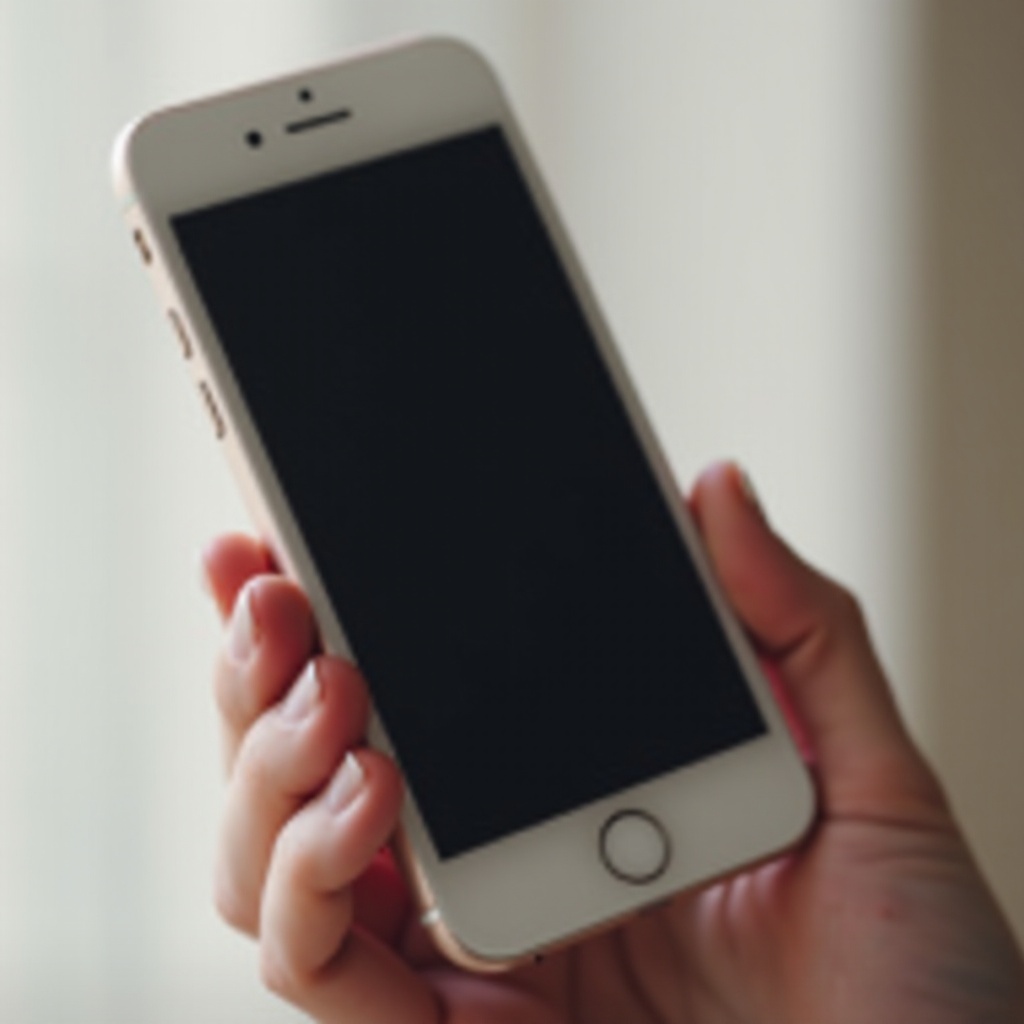
Quick Fixes to Try First
Simple solutions often resolve many screen problems without the need for professional assistance. Here are initial steps that can help:
-
Restart Your iPhone: Sometimes a reboot can solve minor software issues. Press and hold the power button until ‘slide to power off’ appears, then turn your iPhone back on after a few seconds.
-
Update iOS Software: Ensure your device runs the latest iOS version. Check for updates by going to Settings > General > Software Update.
-
Check Screen Settings: Misconfigured settings can impact responsiveness. Visit Settings > Display & Brightness to verify current settings.
Should these first steps be ineffective, consider deeper troubleshooting to address persistent problems.
Advanced Troubleshooting Techniques
Persistent screen issues might require more intricate approaches. Here are more advanced solutions:
-
Reset All Settings: Restore your settings to defaults without erasing data. Navigate to Settings > General > Reset > Reset All Settings to resolve conflicting settings.
-
Address App Conflicts: Some apps may interfere with your touchscreen. Review and remove apps installed around the time screen problems started.
-
Perform a Factory Reset: Backup your data before opting for a factory reset. This wipes all content but can clear severe software issues. Go to Settings > General > Reset > Erase All Content and Settings.
If the problem persists after advanced troubleshooting, it might be indicative of hardware concern.

When to Consult a Professional
When at-home methods fail, professional assistance may be required:
-
Recognizing Hardware Problems: Damage from drops or liquid exposure often necessitate expert repair.
-
Choosing the Right Service: Opt for certified technicians or Apple’s support for safe, effective repairs.
Understanding when professional help is necessary allows timely intervention, avoiding further damage.
Conclusion
Troubleshooting an unresponsive iPhone screen involves patience and knowledge of potential software or hardware issues. By following these steps, common problems can often be resolved without professional assistance. Regular device maintenance and timely updates are key to preventing future incidents.
Frequently Asked Questions
What should I do if restarting my iPhone doesn’t fix the screen issue?
Try updating your device’s software or resetting settings to default. This often resolves deeper software-related issues.
Can screen lag be caused by low storage?
Yes, insufficient storage can impact device performance, including screen responsiveness. Free up space by removing unnecessary files and apps.
How can I prevent future screen issues on my iPhone?
Regular updates, careful app installations, and proper handling of your device are crucial steps to maintaining screen health and preventing future problems.