
Receiving calls from private numbers can be both intriguing and alarming. A private caller chooses to hide their phone number, displaying ‘Private Caller’ or ‘Unknown’ on your screen. Figuring out why someone conceals their identity and how to handle these calls is critical today. This article will demystify private callers, shedding light on their motivations and offering practical advice on dealing with them.
Introduction
Private callers are commonplace in telecommunications. Whether it’s a legitimate business call, a need for personal discretion, or an unsolicited telemarketing attempt, understanding what a private caller signifies is key to handling such calls effectively. This article aims to equip you with knowledge and tools to identify, manage, and confidently respond to private calls.
What is a Private Caller?
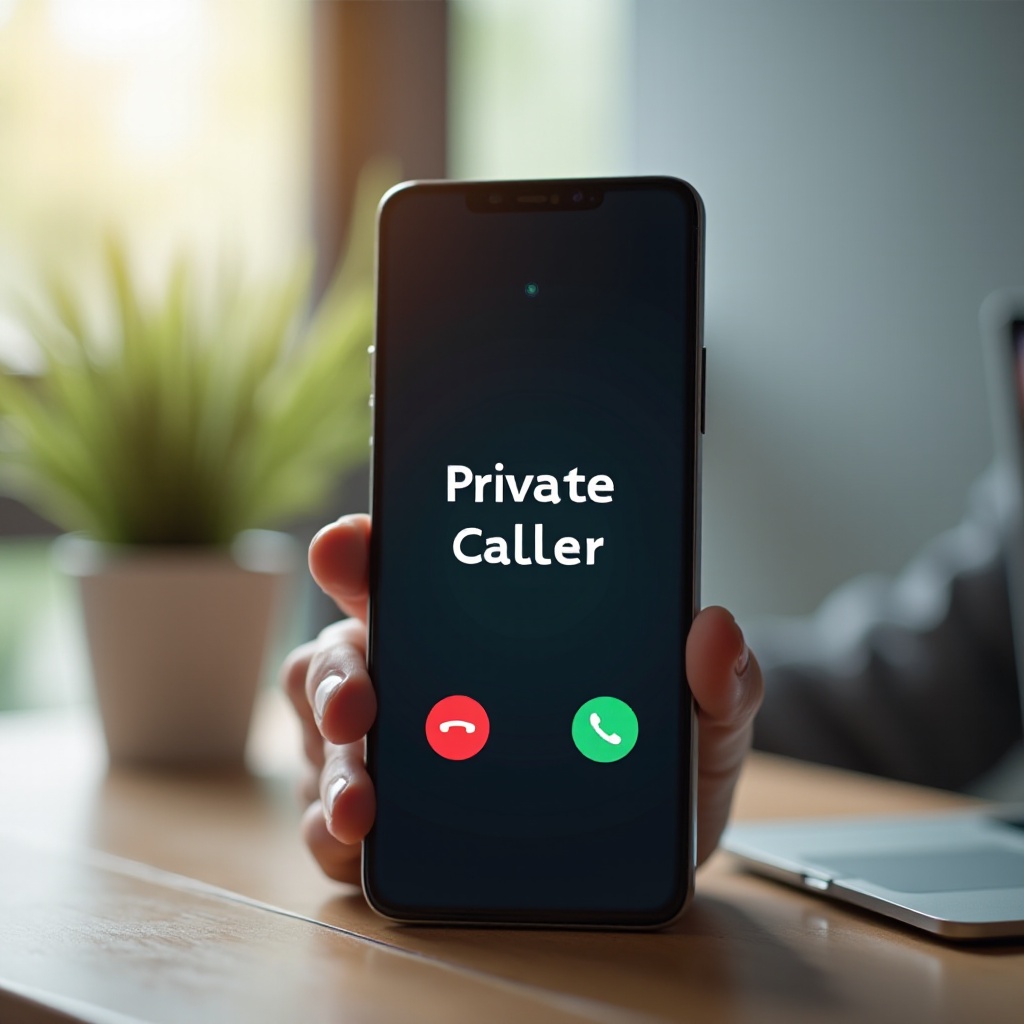
A private caller hides their phone number from recipients. When you receive a call labeled ‘Private’ or ‘Unknown,’ the caller has chosen anonymity. This privacy can be activated manually via phone settings or network services designed to mask numbers.
Privacy is a main driver for private calls, used for personal or professional reasons. Understanding this helps identify the intent behind number concealment, whether benign or malicious.
Common Reasons for Private Calls
Understanding why someone might call privately aids in distinguishing legitimate from suspicious calls.
-
Legitimate Uses of Private Callers: Professionals like doctors or lawyers may use private numbers to protect client confidentiality or avoid misuse of their information. Businesses might employ private calling for surveys or outreach without exposing the main line to unnecessary calls.
-
Scammers and Telemarketers: Sadly, the feature of private calling is abused by scammers to easily evade detection and trick unsuspecting individuals who may answer the call.
-
Personal Privacy Concerns: Some individuals obscure their number to protect privacy, avoiding logging or recording their info during first-time interactions or online transactions.
Knowing these reasons lays the foundation for effectively identifying and managing private calls.
How to Identify and Trace Private Callers
Identifying or tracing private callers can ease anxiety. Here are approaches to uncovering a private caller’s identity:
-
Using Smartphone Features: Modern smartphones have features to manage private calls. Adjust settings to automatically reject anonymous calls. Call log history often reveals patterns that aid in deducing the number’s nature.
-
Third-Party Apps for Identifying Private Numbers: Several apps help identify private callers. Apps like Truecaller or Hiya offer caller ID services using vast databases. They provide real-time information about callers, aiding in choosing whether to answer or ignore calls.
With these tools, dealing with private callers becomes less intimidating and more manageable.
Risks and Challenges of Receiving Private Calls
Private calls aren’t always innocuous. They pose risks and challenges:
-
Privacy Invasion: Private calls can invade privacy, leading to unease and apprehension.
-
Potential for Scams: The anonymity of private callers facilitates fraudulent schemes. Scammers might manipulate or extract sensitive info, pretending to be legitimate businesses or authorities. It is vital to remain cautious and avoid sharing personal details.
Understanding these risks underscores the importance of managing calls thoughtfully and diligently.

Managing and Blocking Private Calls
Handling private calls well is crucial for security and peace of mind. Here’s how to manage them:
-
Steps to Block Unknown Numbers: Most phones let users block private numbers. Adjust call settings, rejecting calls from unknown numbers and ensuring only known contacts can reach you.
-
Utilizing Call-Blocking Services: Many telecom providers offer call-blocking services to screen private numbers before reaching you. Enrolling provides an extra layer of security and filters out unwanted communications.
Using these strategies makes managing private callers straightforward and stress-free.
Legal and Ethical Considerations
While legal for legitimate uses, private calling misuse for fraud is unlawful. Laws vary by jurisdiction but often prohibit using private numbers for harassment or scams. Understanding local laws on privacy and telecommunications and knowing how to legally protect yourself is beneficial.
Conclusion
Effectively navigating private calls requires balance: protect privacy while remaining vigilant. With awareness and tools to identify, trace, and manage them, handling these calls becomes second nature.
Frequently Asked Questions
How can I block private callers on my smartphone?
Most smartphones have settings to filter or block private numbers. Go to settings, locate call settings, and adjust to block unknown calls.
Are private calls always a sign of a scam?
Not always. While private numbers can be misused for scams, many legitimate reasons like privacy protection or business confidentiality exist.
Can I identify a private caller without special apps?
Directly identifying private callers is challenging without apps. Some service providers offer disclosure services but usually require a valid reason.