
Introduction
Choosing the right iPhone can be a daunting task given the range of models available. Both the iPhone Plus and the iPhone Pro have their own unique set of features catering to different preferences. This guide aims to clarify these differences, helping you decide which model suits your lifestyle and needs best.
Design and Display
The design and display are core aspects that influence user experience and aesthetics for any smartphone, including the iPhone Plus and Pro models.
-
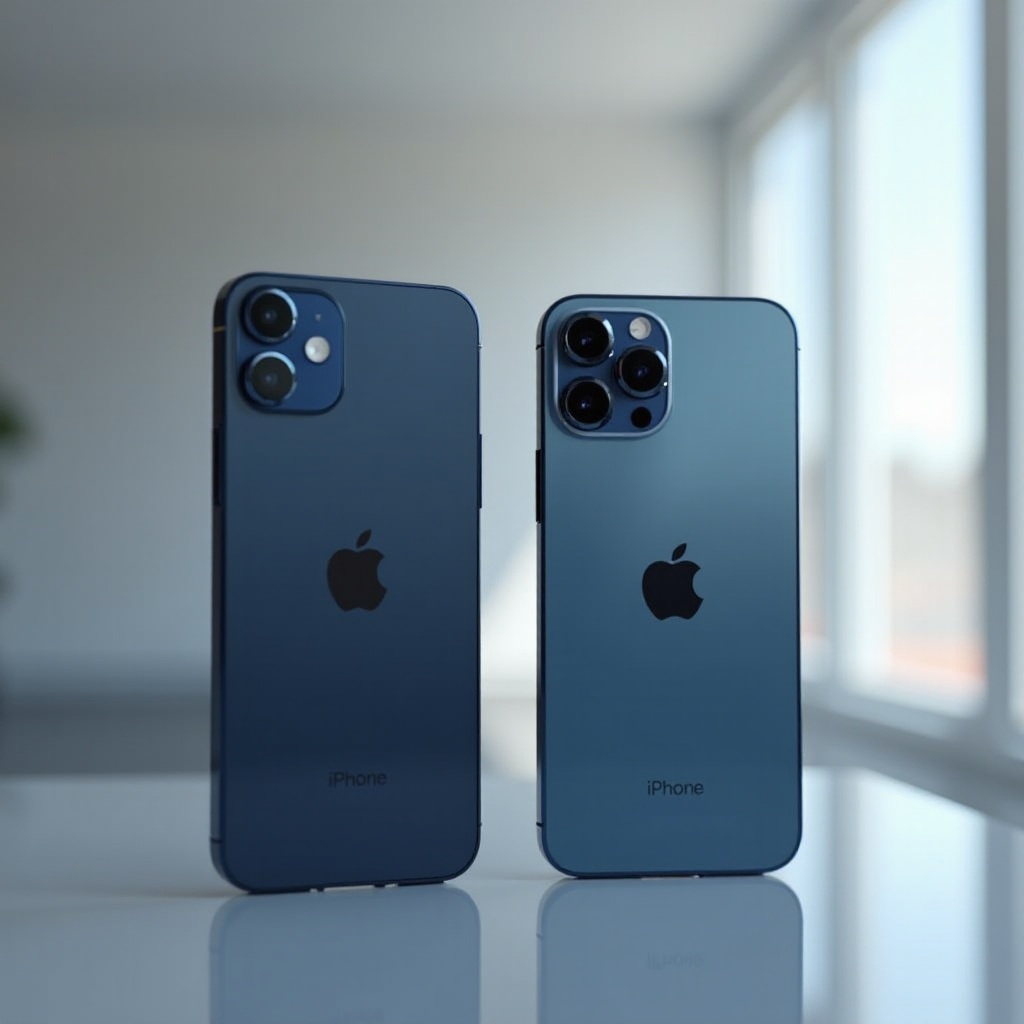
Design Elements and Materials: The Pro models feature premium materials such as stainless steel frames and ceramic shields, offering a sleek and durable design. In contrast, the Plus models often have a more substantial build due to their larger screen size but do not compromise on quality. This makes the Pro model the go-to choice for those prioritizing durability and premium feel, while the Plus targets users who prefer a larger screen experience.
-
Display Technology and Size: The Pro models come equipped with Super Retina XDR displays, providing richer colors and deeper contrasts suitable for users who appreciate high-quality visuals, such as photographers or videographers. The Plus models, meanwhile, feature Retina displays that balance excellent visual output with a more budget-friendly price point.
As we transition from the visual aspects of design and display, understanding the core performance differences is essential for decision-making.
Performance and Hardware
Performance is a pivotal factor for those who depend on their phones for multitasking, gaming, or using demanding applications, and here the differences are quite notable between the models.
-
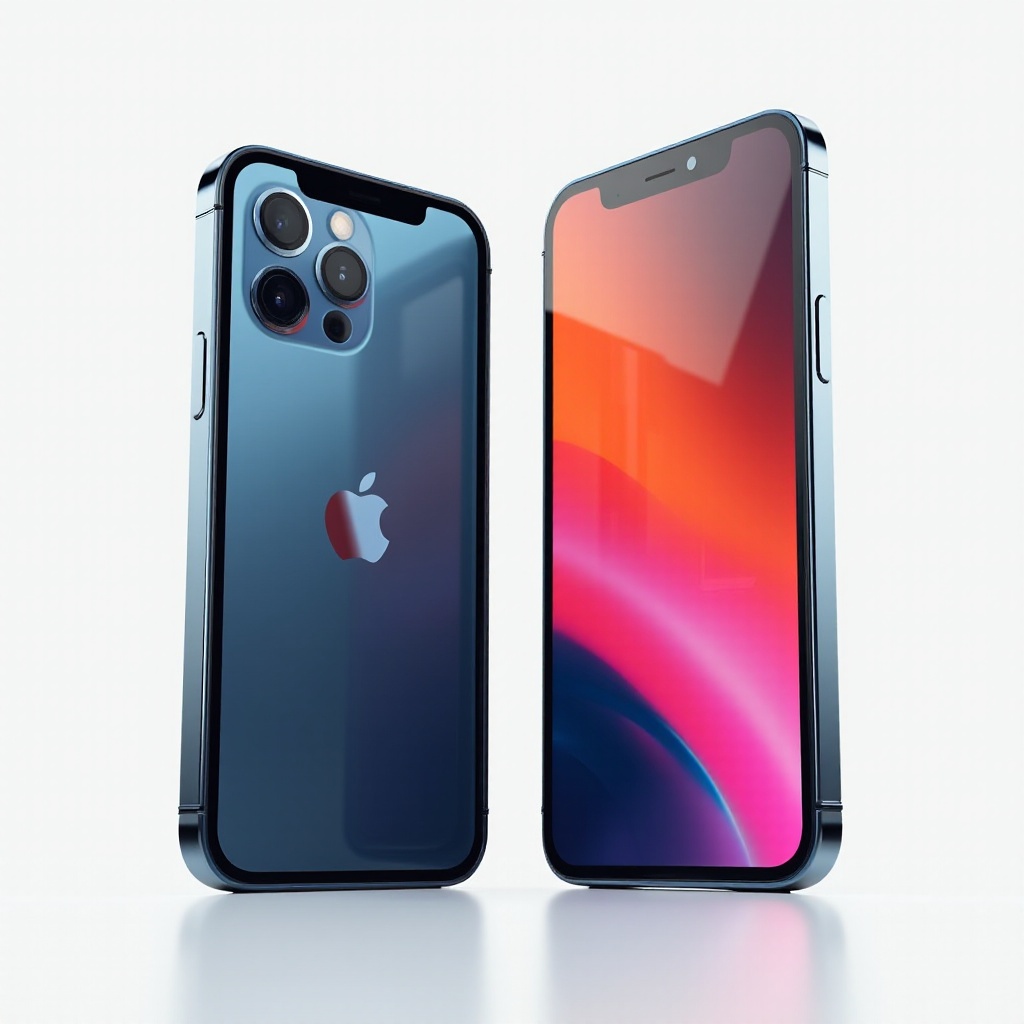
Processor and RAM Specifications: At the heart of performance lies the processor. The Pro models are equipped with the latest A-series chips, which offer top-tier performance and energy efficiency, perfect for power users. In comparison, the Plus models, while still highly performant, typically feature slightly older processors, which are more than capable for everyday tasks but might lag in high-demand scenarios.
-
Storage Options and Expandability: Pro models provide a wider array of storage options catering to users with extensive app libraries or large media collections. Plus models offer practical storage solutions for the average user. Choose wisely at purchase, as neither model offers expandability.
With the performance needs addressed, we now move on to one of the most frequently discussed features: camera capabilities.
Camera Capabilities
The camera is often a deciding factor for many looking to buy a new smartphone. Differences in camera technology are critical between the Plus and Pro models.
-
Lens and Sensor Technology: The Pro versions shine with advanced camera systems, including larger sensors, superior low-light performance, and enhanced optical zoom. This suite of features makes it ideal for camera enthusiasts and professionals who need high-quality image capturing.
-
Photography and Videography Features: What sets the Pro models apart even further are their exclusive features like Night Mode, ProRAW, and ProRes video recording. These attributes are to the delight of creative users who produce content directly from their devices. Plus models, albeit capable, are more designed for casual photography, focusing on simplicity and ease of use.
Understanding how software complements hardware is essential, speaking to the user experience and potential of each device.
Software and User Experience
Apple’s iOS ecosystem offers a seamless software experience that enhances both the Plus and Pro models, though there are still some slight differences that cater to varied user bases.
-
Operating System Differences: Both models run on the latest iOS, ensuring cutting-edge features and top-notch security. The Pro however frequently benefits from software updates that maximize its advanced hardware capabilities, especially paramount for advanced photography or AR applications thanks to the LiDAR scanner.
-
Unique Software Integrations: The Pro models also often have enhanced photo and video editing tools, making them particularly appealing to users engaged in creating on-the-go content. This helps bridge the gap between professional-grade equipment and mobile utility.
Now that we’ve covered the user experience aspect, let’s delve into how battery life and charging options come into play.
Battery Life and Charging Options
Battery performance is a crucial element that affects day-to-day use and satisfaction with the device, closing the loop on functionality with practicality for the Plus and Pro users.
-
Battery Capacity: Typically, the larger Plus models house bigger batteries, naturally lending themselves to longer sessions off the charge. This can be vital for users who need constant connectivity throughout their day.
-
Charging Speeds and Technologies: The Pro models, while potentially behind in sheer capacity, make up for it with faster charging solutions, including Magsafe and high-speed wireless charging options. This brings an extra layer of convenience for users who frequently need to ‘top up’ during the day.
Finally, balancing all these considerations against cost is key to understanding the value proposition of each model.
Pricing and Value Proposition
Ultimately, the decision might hinge on budget and what you prioritize in a smartphone experience. Analyzing pricing can help clarify which route offers the best value for your individual needs.
-
Price Differences Across Models: The Pro variants are positioned at a higher price point, justified by their enhanced features and superior build quality, thus targeting users who seek a comprehensive, premium phone experience. Meanwhile, the Plus models present a more accessible entry point into the iPhone ecosystem without sacrificing essential performance or quality.
-
Long-term Value and Depreciation: Investing in a Pro often pays off with extended software support and a higher resale value. If you are someone who frequently upgrades their device, the Pro’s higher initial investment can translate to better trade-in or resale options in the future.
Conclusion
In closing, both iPhone Plus and iPhone Pro models offer robust features tailored to different audiences. If your preference leans toward media consumption, a robust battery, and larger display, the Plus might be the right choice. Conversely, if your priority is advanced technology, superior photography, and a premium build, the Pro is designed to meet those expectations. Evaluating your personal needs against the strengths of each model will guide you to the right decision.
Frequently Asked Questions
Which iPhone model is better for photography?
The iPhone Pro models are better due to advanced camera systems, larger sensors, and enhanced photographic features.
Are there significant performance differences?
Yes, the Pro models typically have the latest and fastest processors, offering superior performance, especially for demanding applications.
How do battery lives compare between the Plus and Pro models?
Plus models often offer longer battery life with larger batteries, while Pro models provide faster and more efficient charging options.